
Pre-Cast Buildings
Overview
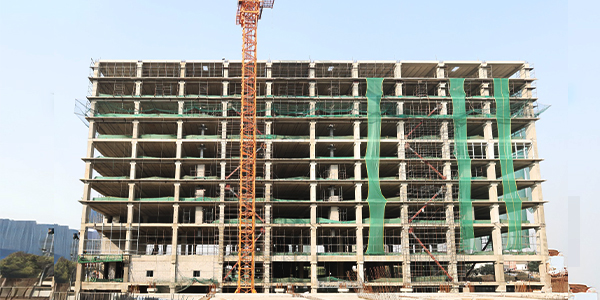
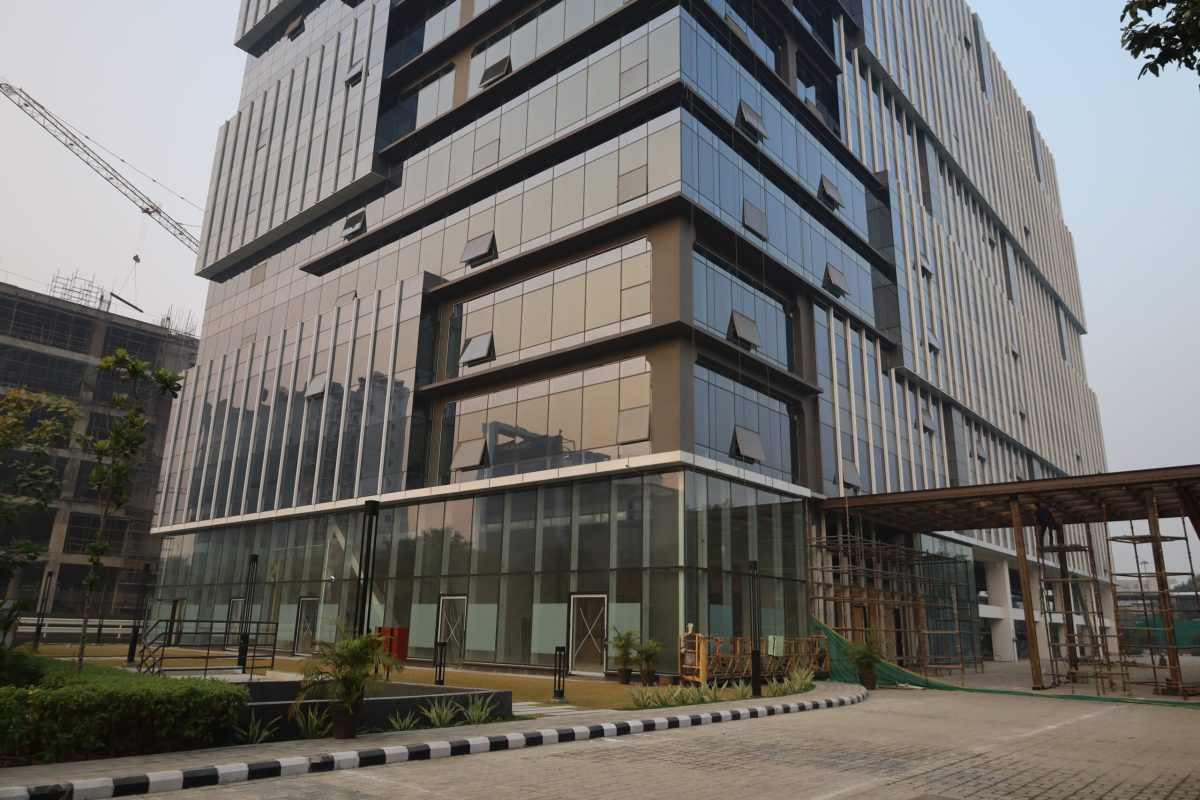
Pre-cast buildings use factory-made components like beams, columns, slabs, and walls that are transported to site for assembly. The method is fast, clean, and consistent, which is why it’s widely used across residential, commercial, and industrial projects. It offers clear advantages: better quality control, quicker construction timelines, improved sustainability, and stronger structural members.
Pre-Cast Buildings
Challenges in Conventional PRE-CAST Buildings
Beyond transport, handling, and the need for skilled vendors, precast buildings face a far bigger issue in high seismic zones: connection performance. These joints must transfer forces reliably between elements while providing ductility and energy dissipation. In reality, the connections in many precast systems struggle under severe cyclic loads. When they don’t deform predictably, the entire system becomes vulnerable during strong earthquakes.
This connection-level uncertainty is the main reason precast remains a hesitant choice in seismic regions. Even if the individual components are strong, the structure behaves only as well as its weakest joint. The demand on these connections can become excessively high during earthquakes, often more than what conventional precast detailing is built to handle.
That’s where the method hits its limit.
Imperial 2G Approach
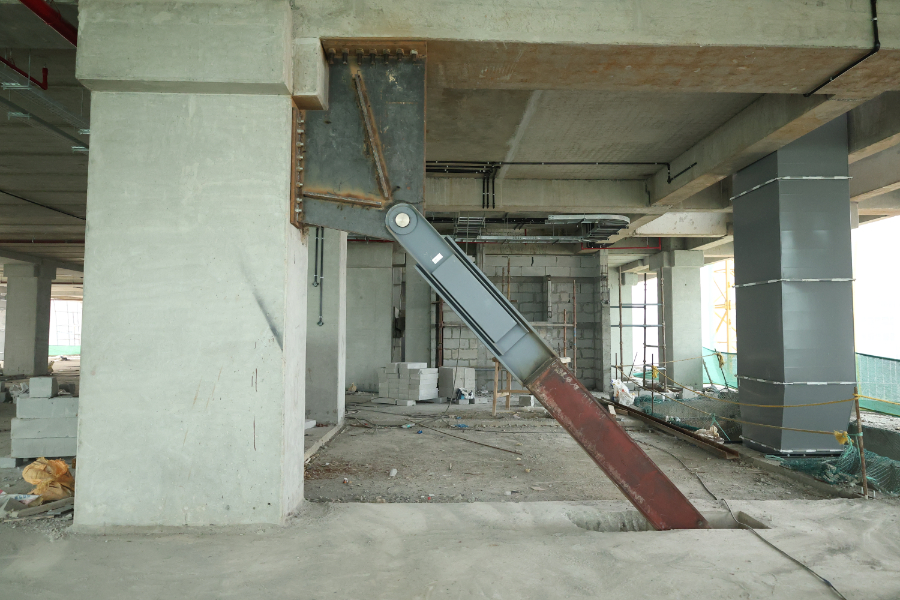
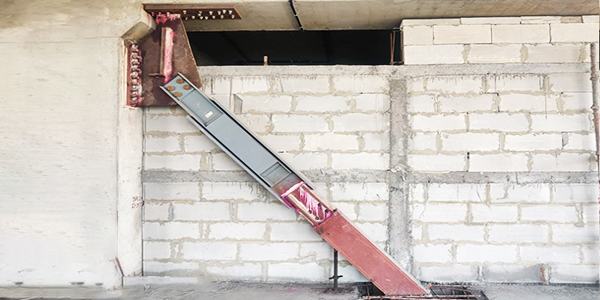
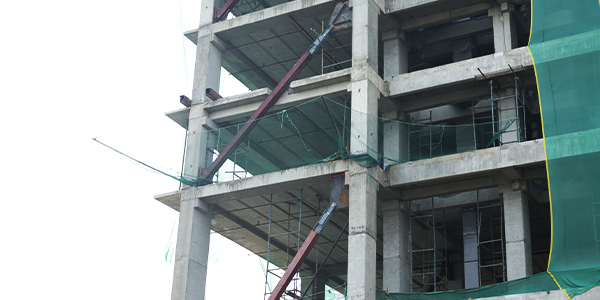
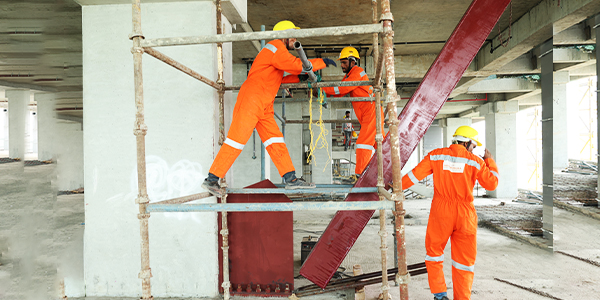
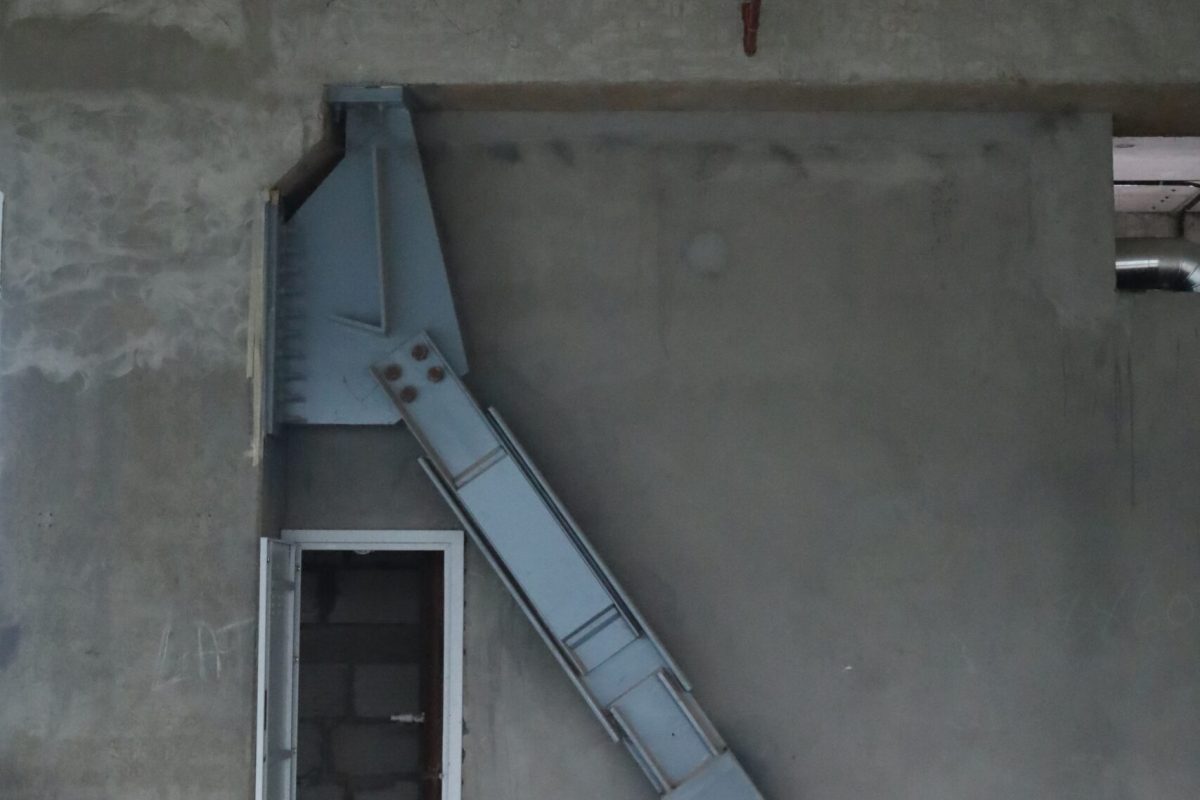
The 2G strategy solves this problem by shifting the seismic demand away from fragile connections and into controlled, predictable energy-dissipating devices. By introducing Seismic Friction Brakes into the precast system, the major portion of seismic energy is absorbed through these friction-based dampers instead of the joints. As a result, the forces transferred into connections and other precast elements drop dramatically. SFBs can be deployed strategically across the structure so the building behaves like a performance-based system rather than a brittle, connection-dependent one. This upgrade allows precast buildings to outperform well-designed cast-in-place structures in seismic zones and removes the long-standing doubt around using precast for earthquake-prone regions. The devices also let designers reduce concrete volume in the precast elements, resulting in lighter members that are easier to lift, faster to erect, and more economical.
IMPERIAL Benefits
Reliable in high seismic zones
Higher ductility and energy absorption
Reduced material use and crane load
Shorter construction time
Better performance than conventional cast-in-place structures
Project Gallery