
Hospitals
Overview
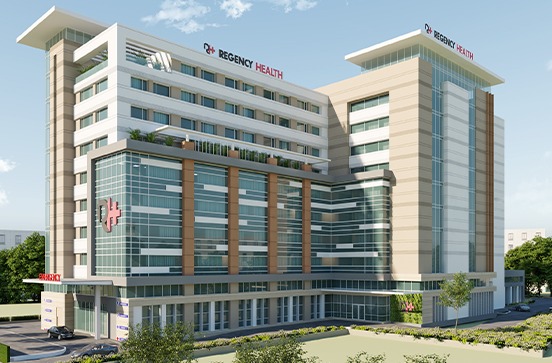
Hospitals fall into the category of critical structures, which is why they’re designed with an importance factor of 1.5. In simple terms, they’re supposed to resist 1.5 times the dynamic forces a normal building is designed for. Modern, internationally proven technologies like base isolators and seismic brakes offer a far better way to meet this requirement compared to conventional detailing.
Hospital
Challenges in Conventional Hospital Structures
Picture a surgery in progress during an earthquake. The building sways, deflections shoot up, and equipment begins to topple. Continuing work becomes impossible and everyone inside is forced to evacuate. Structurally, the building suffers heavy damage because hospital designs still use response reduction factors of 4 or 5, which drastically reduce the real earthquake forces during design. Shear walls may be the default mechanism to handle these loads, but they deform heavily and are prone to significant cracking during strong shaking. The operational downtime and structural repairs that follow deal a serious blow to the facility and its owners.
Imperial 2G Approach
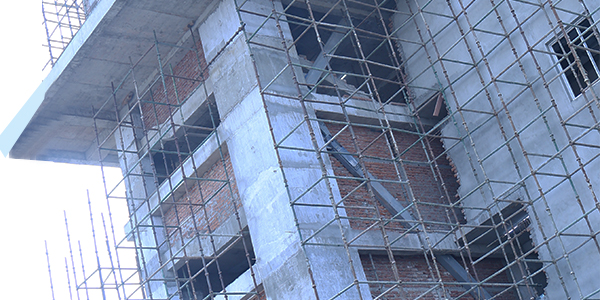
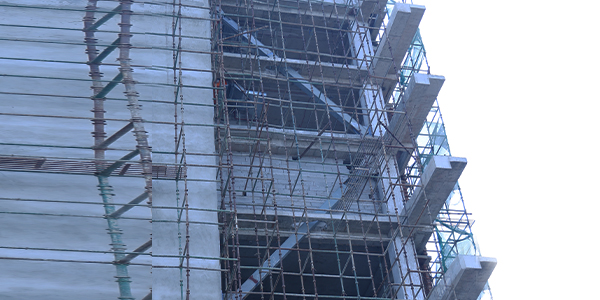
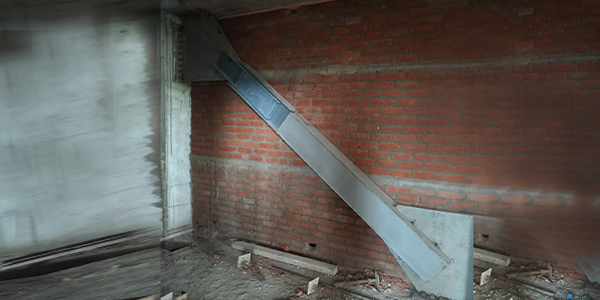
Whether the hospital is an RCC framed structure or a steel composite one, seismic brakes offer a far more reliable, cost-effective, and durable solution. They take over the energy dissipation role, keep deformations under control, and allow essential medical operations to continue far longer than in a conventionally designed building. NDMA guidelines already mandate that hospitals meet Immediate Occupancy (IO) performance levels, which conventional shear walls struggle to achieve. While base isolators are often recommended, their high cost and complicated installation make them impractical for most projects. Yield-restrained bracings equipped with seismic brakes fill that gap perfectly.
IMPERIAL Benefits
The hospital remains functional during and after strong earthquakes with far lower disruption to medical operations.
Structural damage is significantly reduced because seismic brakes control deformation instead of relying on shear wall cracking.
Faster recovery and minimal downtime, protecting both patient care and the owner’s operational revenue.
Immediate Occupancy (IO) performance levels mandated by NDMA become achievable without excessive cost.
Avoids the high expense and installation complexity of base isolation systems.
A durable, low-maintenance seismic solution suitable for both RCC and steel composite hospital buildings.
Project Gallery