
Case Study of NTT
Project details
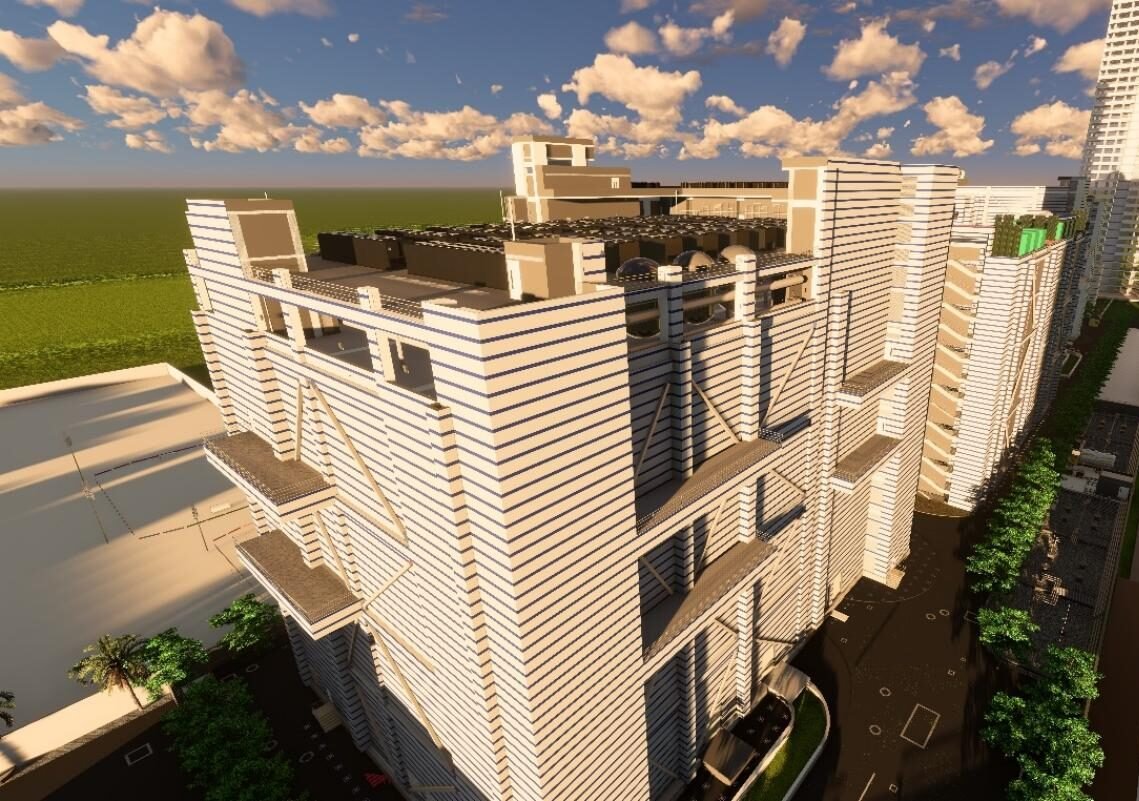
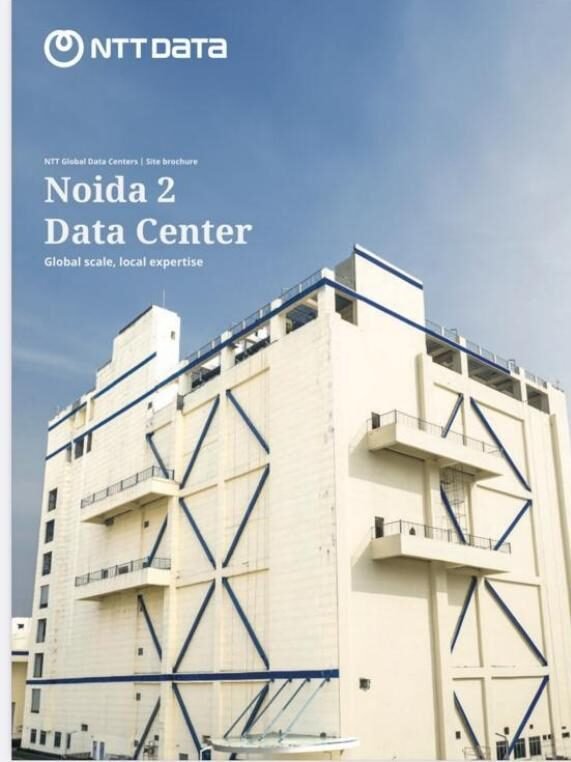
The NTT High Priority Data Center in Greater Noida is a mission critical facility and one of the most advanced digital infrastructure developments in the NCR. With a built up area of nearly 3,00,000 sq ft, the building is configured as Ground plus seven floors, designed to support high density server racks and essential data center utilities.
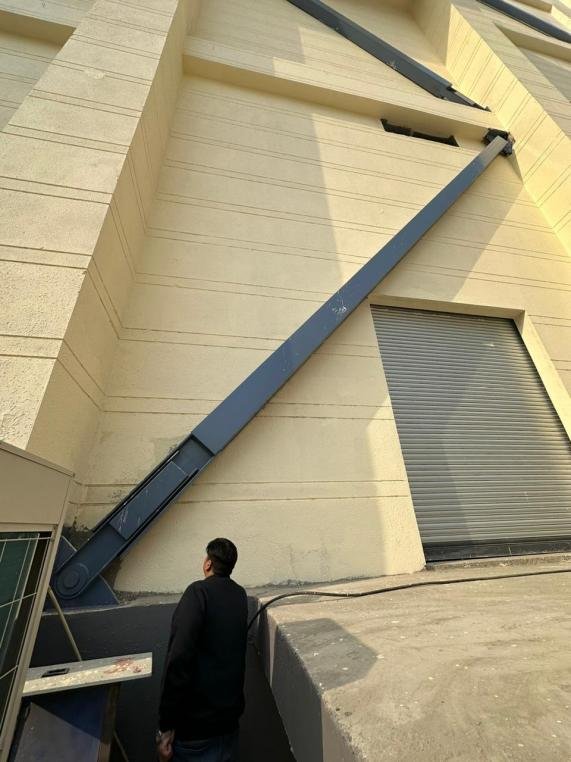
To ensure superior structural performance and uninterrupted operations, the facility is engineered with an advanced seismic protection system. Located in Seismic Zone IV and designed as per IS 1893, the structure incorporates Seismic Friction Brakes to maintain operational performance even during a Design Basis Earthquake.
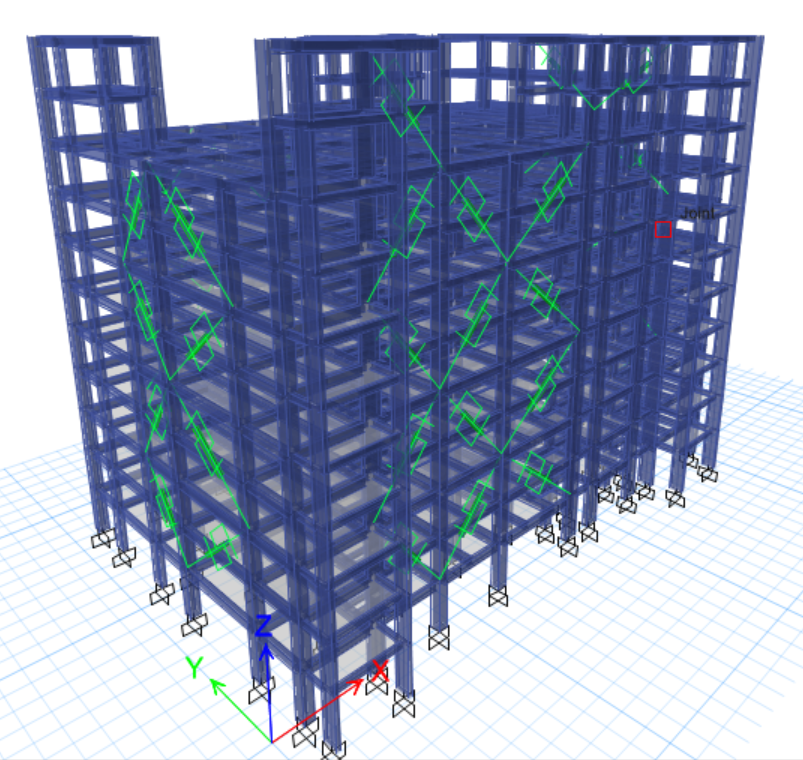
Design Board
In India, achieving operational level seismic performance for critical buildings such as data centers, specifically identified as essential facilities in the NBC, remains a significant engineering challenge. For the NTT Data Center, conventional lateral systems with shear walls or moment frames alone could not meet the required operational reliability, architectural flexibility, and low acceleration demands.
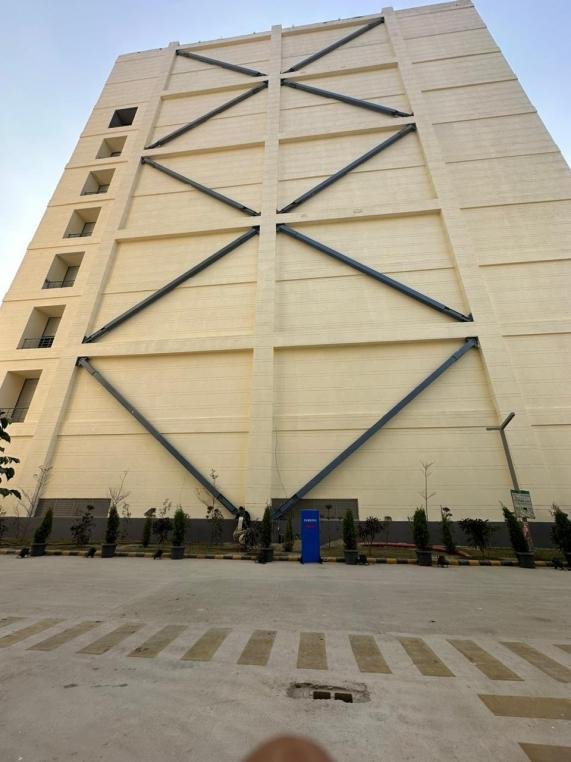
Multiple advanced energy dissipation systems were evaluated, including base isolators, fluid viscous dampers, and displacement control devices. After comparison, Seismic Friction Brakes were identified as the most suitable solution. Their compact arrangement enabled smooth integration with the building architecture, avoided slab punctures, and allowed the development of an efficient lateral force resisting system using braced frames with controlled slip behaviour.
This configuration helped achieve the required performance objectives for an essential facility, including strict drift limits, acceleration control, and post earthquake operational continuity.
The revised structural scheme, featuring braces equipped with friction brakes, was modelled and validated through full Non Linear Time History Analysis. The results showed that the building remained elastic under the Design Basis Earthquake, with drifts under 0.5 percent and floor accelerations below 0.4g, meeting NBC non structural safety requirements and international A3 level criteria.
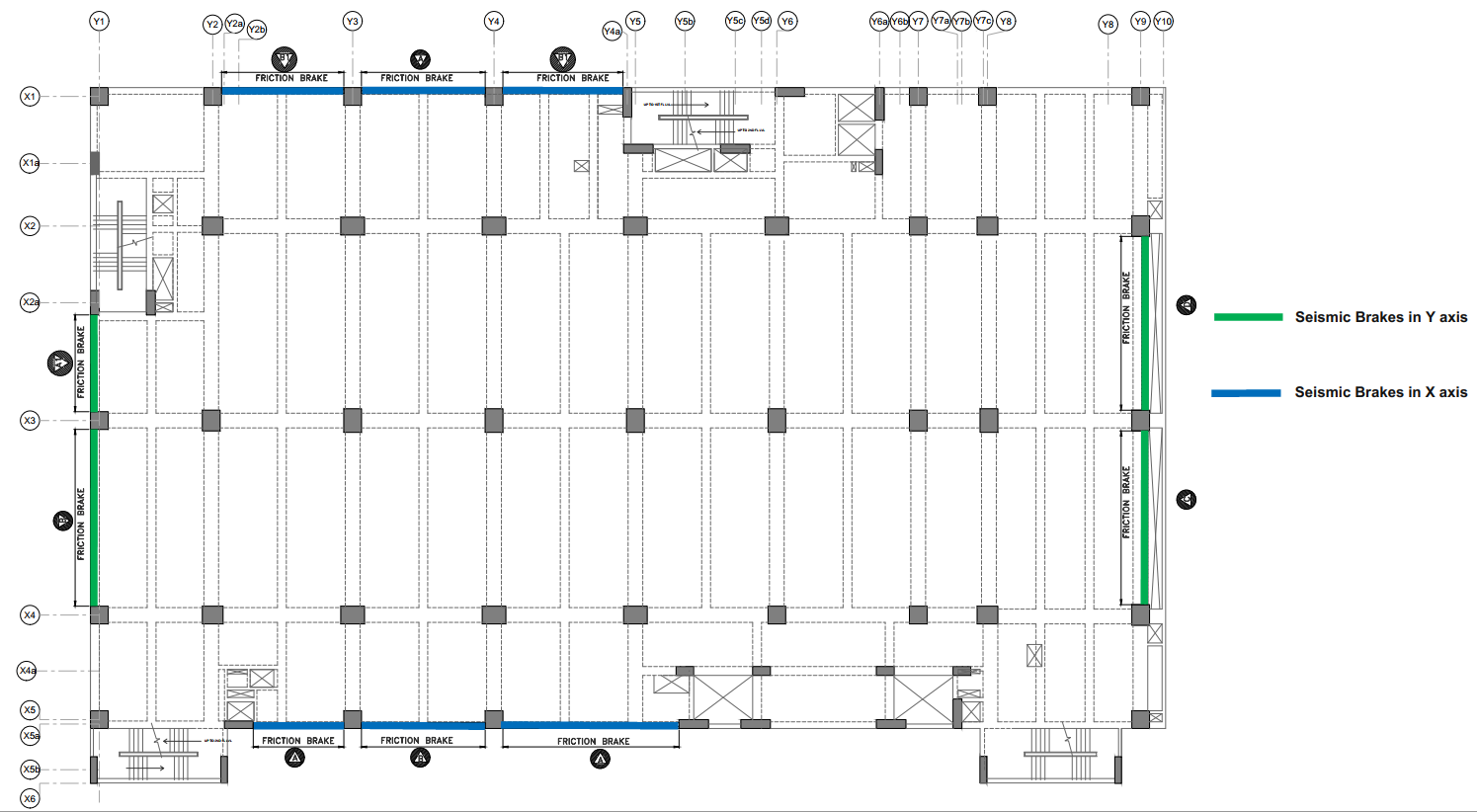
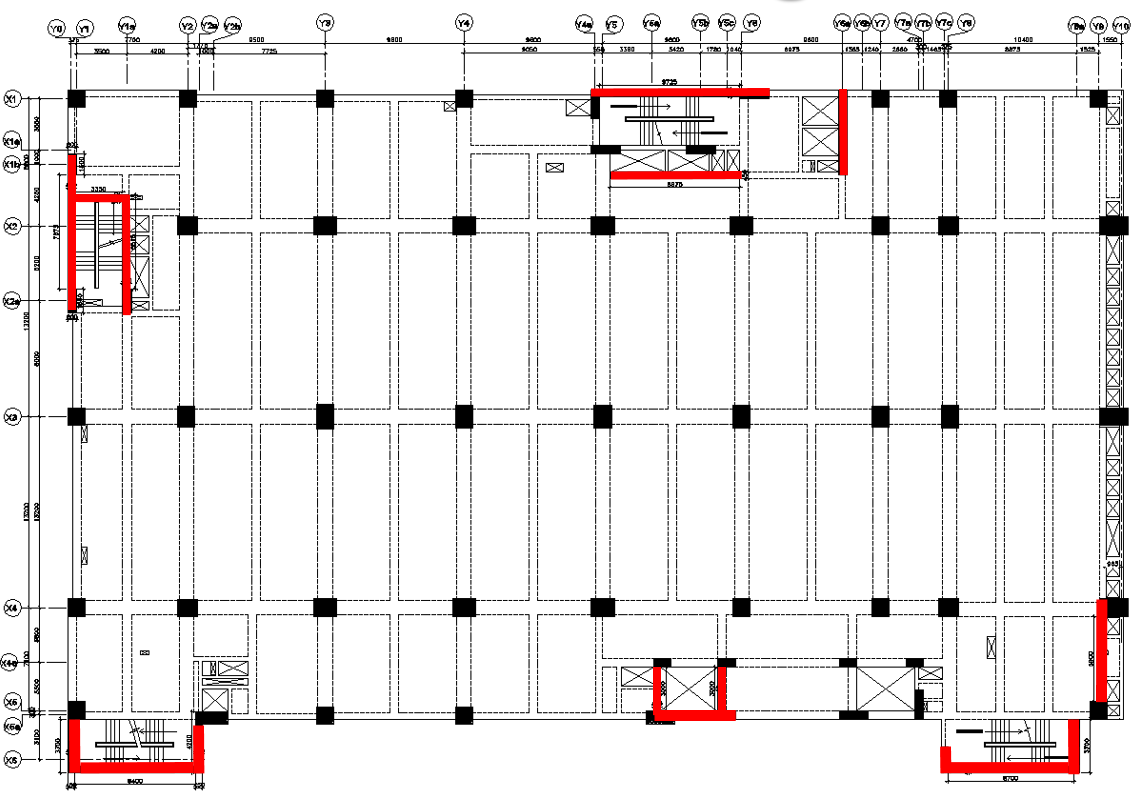
The technical team supporting the seismic friction brakes provided strong engineering collaboration throughout, ensuring correct device configuration, rapid feedback, and model validation for a dependable seismic protection strategy.
IMPERIAL Benefits
Major reduction in structural cost compared to a conventional shear wall based system designed for operational performance.
Better sustainability footprint, contributing to green building points through reduced concrete usage, optimized steel consumption, and elimination of heavy wall formwork.
Greater architectural flexibility, allowing open floor plates required for server racks and utility routing.
Faster construction cycle as the brace brake configuration avoided slab punctures and reduced reinforcement congestion.
Superior seismic performance, with controlled drifts and low accelerations meeting NBC essential facility criteria and A3 level standards.
Long term reliability with passive devices that require no power, no active controls, and minimal maintenance.
Project Gallery