
Existing Building Upgrade
Overview
Existing buildings often operate under structural demands far beyond what they were originally designed for. Years of environmental exposure, evolving codes, higher occupancy loads, and changes in building use all contributes to reduced seismic capacity. Strengthening these structures is essential to improve life safety and preserve the long-term utility of the asset.
Existing Building Upgrade
Challenges in Conventional Building Structure
Traditional strengthening techniques fall into three major categories, and each comes with its own set of limitations.
Steel or concrete jacketing increases the size of columns and beams by adding new rebar layers, concrete, or steel plates, but this process is slow, messy, and highly disruptive to building occupants. Bracing systems like conventional braces or buckling-restrained braces add stiffness and strength but often require major structural modifications and interior reconfiguration. Fiber composite wraps such as CFRP or GFRP improve strength or stiffness, yet they demand extensive surface preparation and don’t always provide the deformation control needed for strong earthquakes.
For a functional building these traditional solutions create logistical challenges, operational disruptions, and extended downtime.
2G Approach
Imperial’s Upgraded 2G Approach
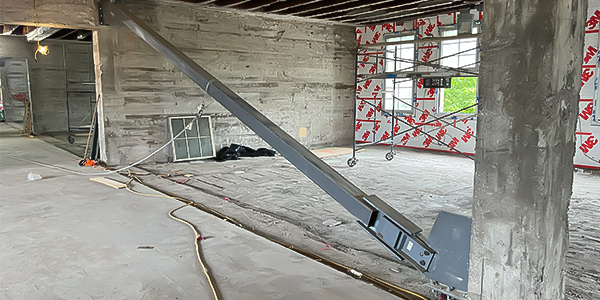
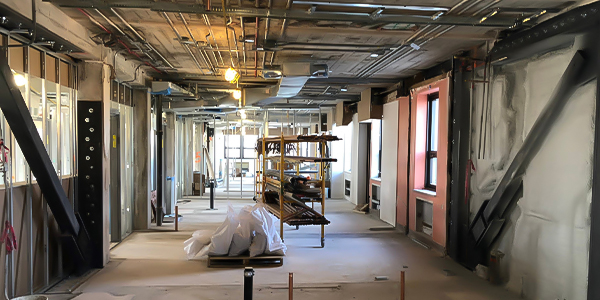
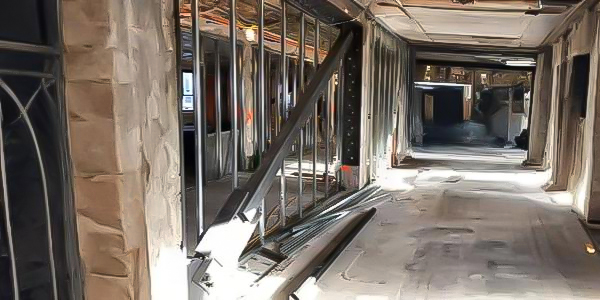
Imperial’s 2G method offers a far more efficient upgrade path using Seismic Friction Brakes. Instead of enlarging structural members or altering the building layout, these devices are installed directly onto the existing frame using simple chemical anchoring. The process is quick, precise, and requires minimal interruption to ongoing activities inside the building.
The brakes directly absorb seismic forces and improve deformation control, enabling three key upgrade scenarios. Buildings designed for older codes or lower seismic zones can meet today’s higher force demands. Structures undergoing a change in use or an increase in floors can handle the additional dead load and resulting seismic forces without major reconstruction. And buildings weakened by past earthquakes or those originally built with inadequate seismic detailing can regain reliable performance without extensive demolition or rebuilding.
IMPERIAL Benefits
Quick installation and minimal downtime
Cost-effective alternative to jacketing
Non-destructive process
Proven performance and reliability
Project Gallery