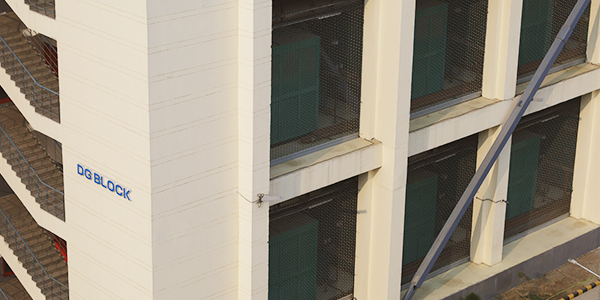

Data Center
Overview
Datacenters have become a backbone for every economy worldwide. Billions of users are connected through these Datacenters that houses hundreds of servers for connectivity and information interface. India is witnessing a boom in the development of such Datacenters.
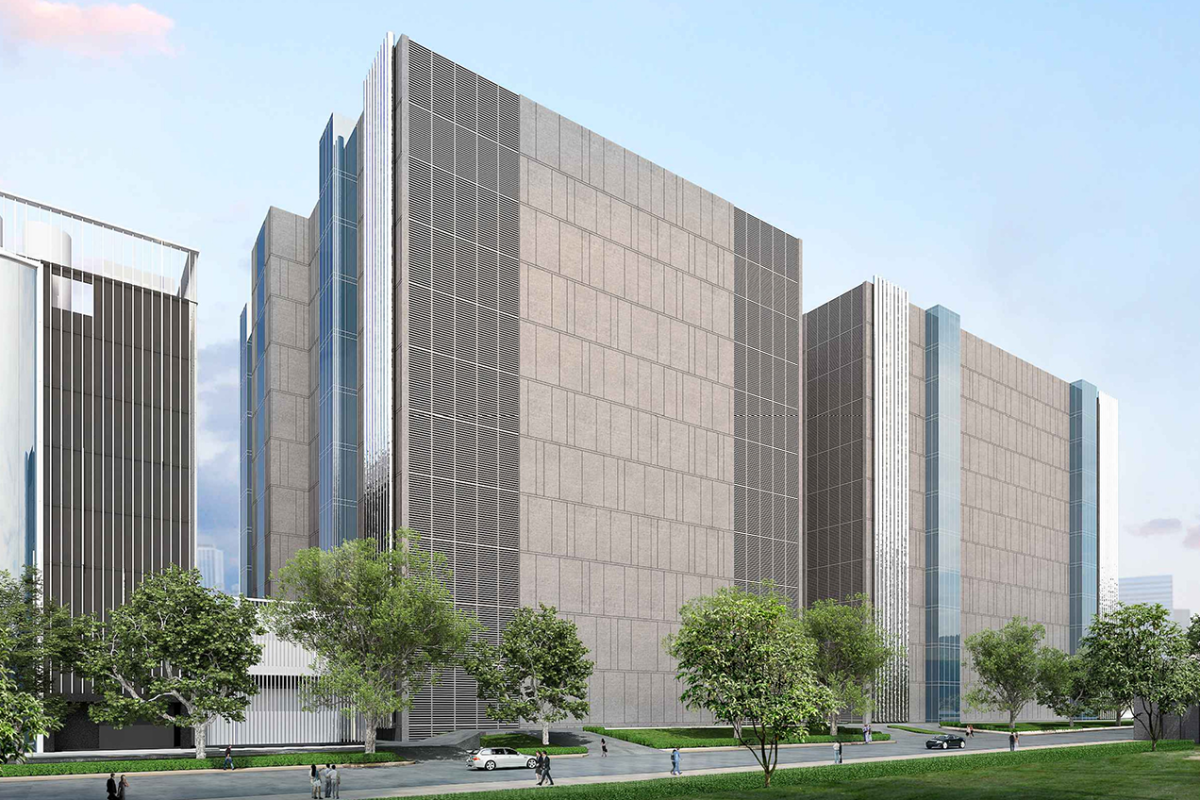
Data Centers
Challenges in Conventional Data Center Structure
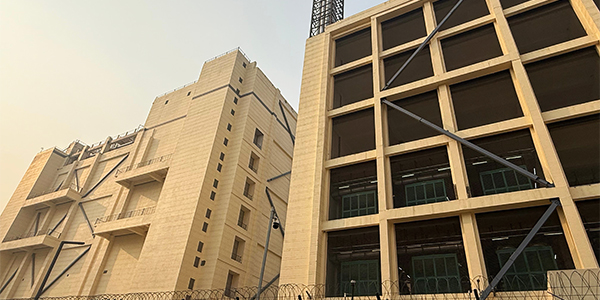
Datacenters are considered under the category of important building and is expected to keep working even an event of a major earthquake or thunderstorm. For this purpose only, the laterl force resisting system is detailed to cater to the required demands. Presently, heavy RCC shear walls or steel shear walls with infill concrete is used as LFRS. In some cases heavy bracings are also used. These options though designed well are yet susceptible to damages and may not perform during multiple cycle of events and require major rehabilitation. Structural engineers face difficulties in placing huge number of shear walls or multiple braces in the building especially owing to the integration of services and open spaces.
Imperial 2G Approach
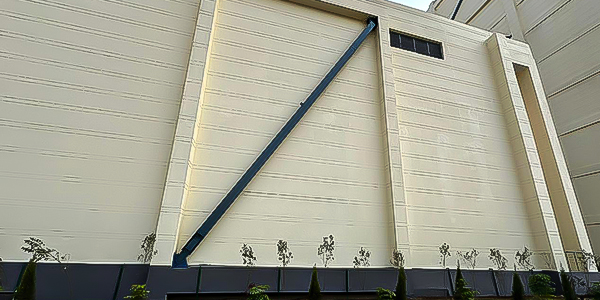
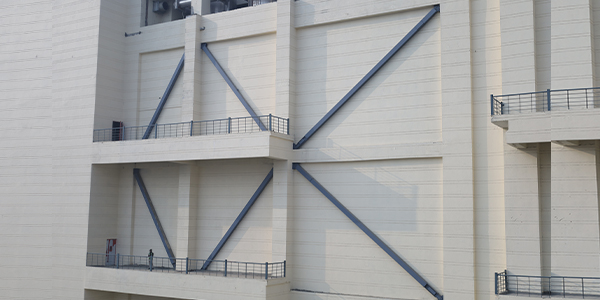
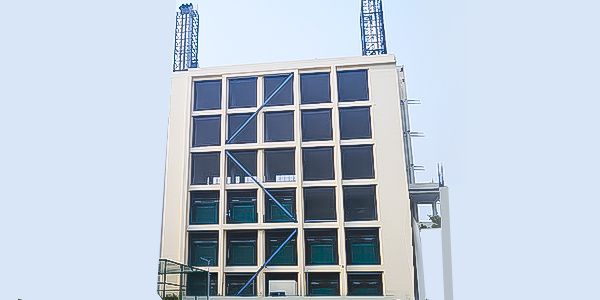
2g approach to adress these issues is far too easy and cost effective. The building design is with passive energy disspation devices commonly known as Seismic Brakes that absorb and dissipate significant amount of energy generated at the time of a major event of earthquake or thunderstorm. With the 2g approach, the overall weight of the building get reduced and thereby less attarction of forces. This not only helps in significant reduction of foundations but also make the overall structure light. A lot of concrete, steel, structural steel and other material requirement is reduced.
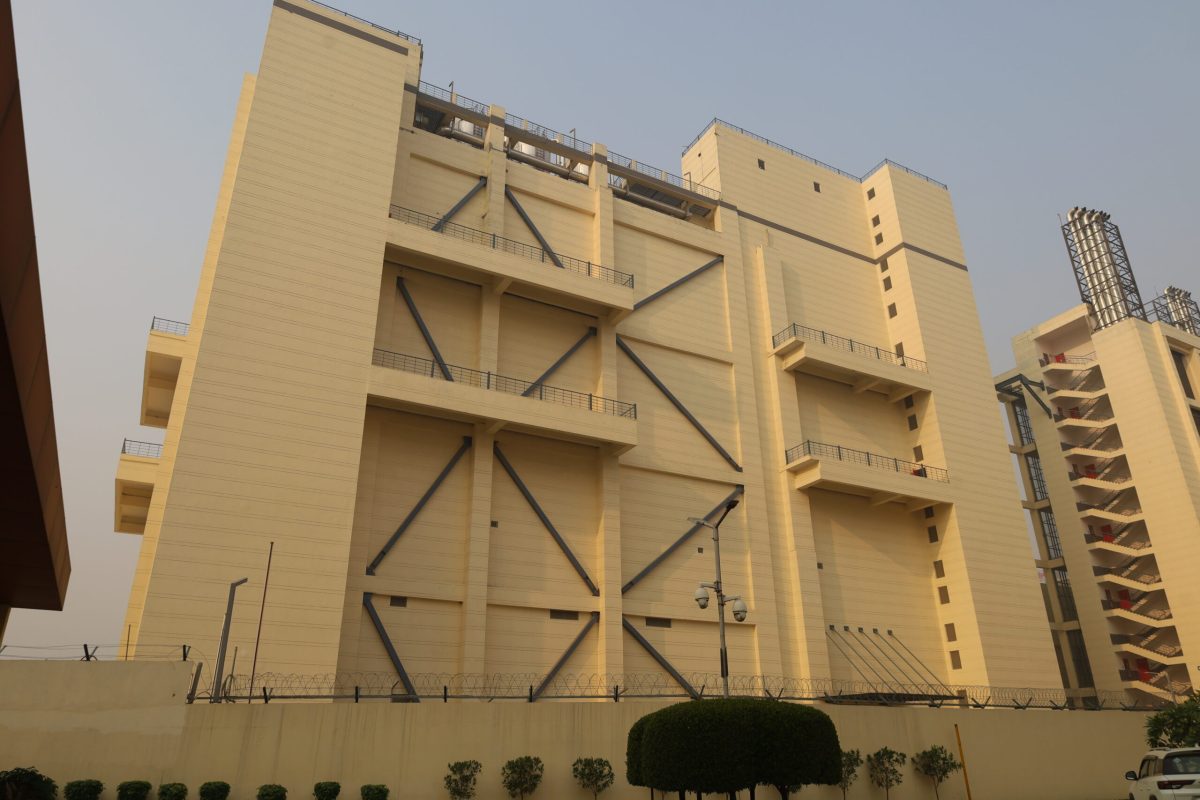
IMPERIAL Benefits
Stable floor performance with reduced vibration
Continuous server operation during earthquakes
No damage to data infrastructure
Long-term, zero-maintenance system
Compliance with Indian and international seismic standards
Project Gallery