
RCC Framed Buildings
Overview
RCC shear walls help resist lateral forces and slow down structural damage during earthquakes, but their performance depends heavily on placement and design philosophy. In most buildings, architectural requirements push these walls into the core instead of the perimeter, increasing torsion and reducing effectiveness. Even when designed as per IS 1893, they still crack and deform because actual seismic forces are reduced by a factor of 4 to keep construction economical. They buy time, not immunity.
RCC Framed Building
Challenges in Conventional RCC Structures
2g Approach
Imperial 2G Approach
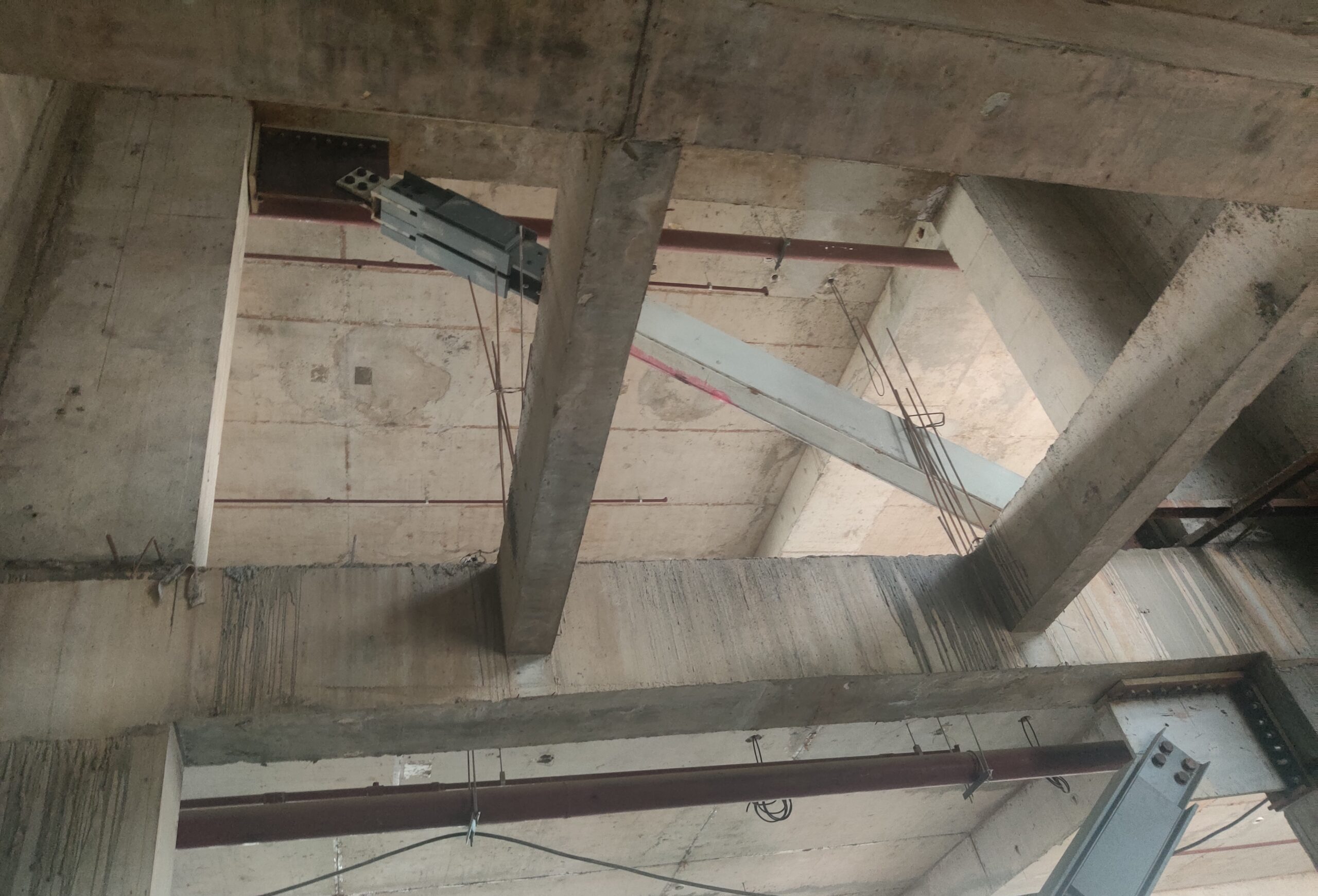
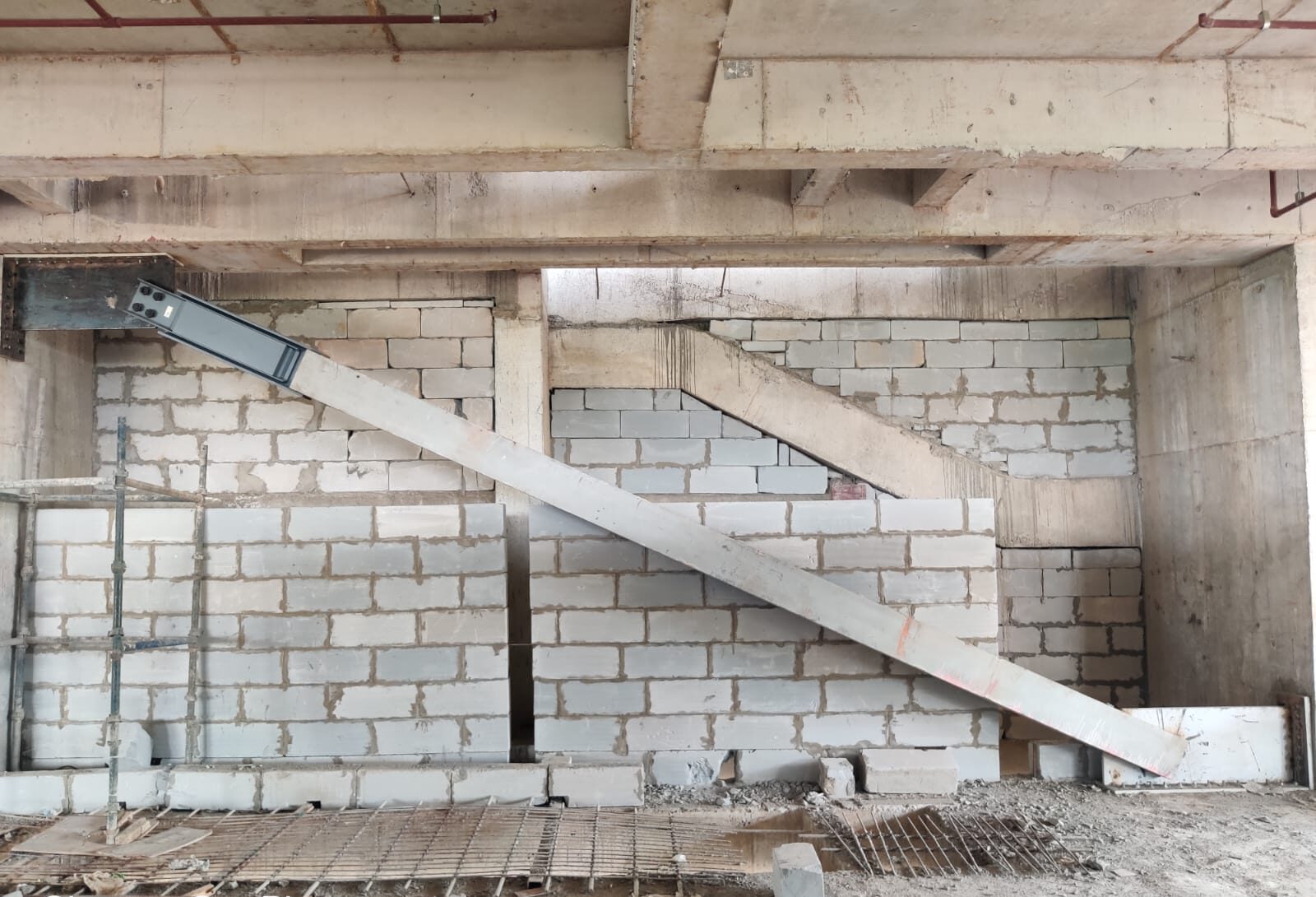
Imperial’s 2G Seismic Resilient Structure addresses these issues by replacing the deformation-bearing role of shear walls with passive energy dissipation devices. The system is centered around Seismic Friction Brakes, which act as the main lateral force resisting mechanism. Instead of forcing the RCC structure to crack and absorb energy, these devices take the hit directly and dissipate it in a controlled and repeatable way. They restrict deformation far more effectively and eliminate the dependence on heavily reinforced, construction-sensitive concrete walls.
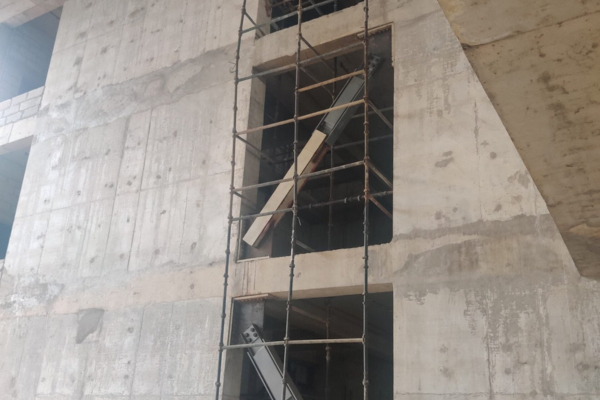
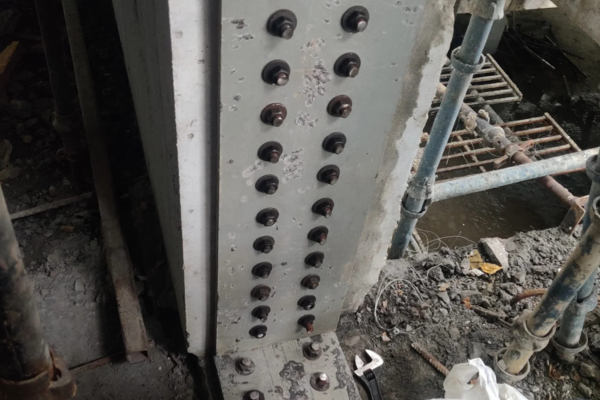
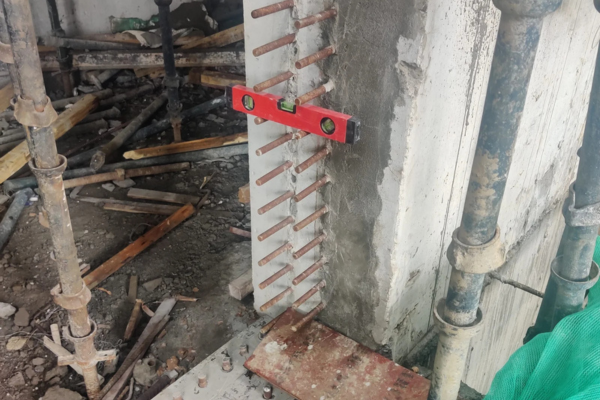
Installation is straightforward. Yield-restrained braces fit into the structure using insert plates and gusset plates, which makes integration simple in both new and retrofit projects. With the lateral resistance handled by friction-based devices, the quantum of RCC shear walls can be drastically reduced or removed entirely. This shifts the building from a damage-dependent system to a performance-based one, where the structural frame stays largely elastic even during severe shaking.
IMPERIAL Benefits
Minimal or no damage to structure during earthquake
Reduced material use and optimized foundation design
Proven and code-compliant seismic safety
Immediate occupancy and operational continuity after seismic events
Faster, cost-effective construction
Project Gallery