
Steel Composite Buildings
Overview
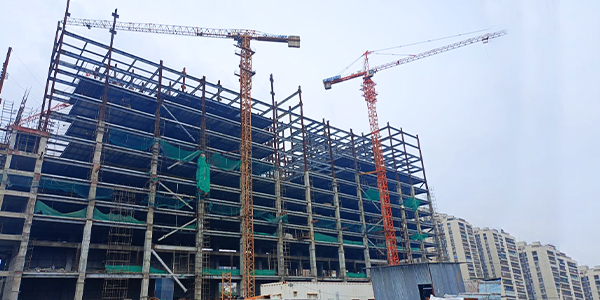
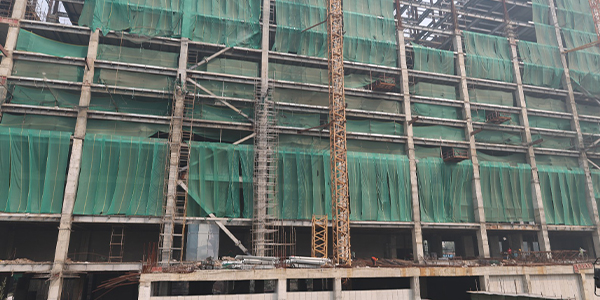
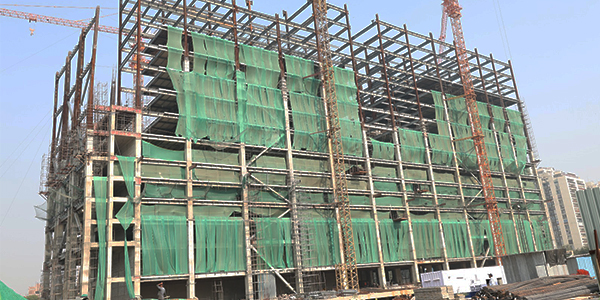
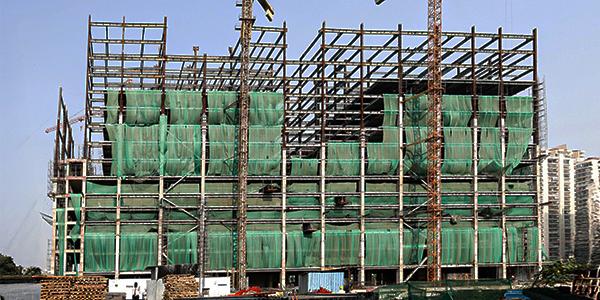
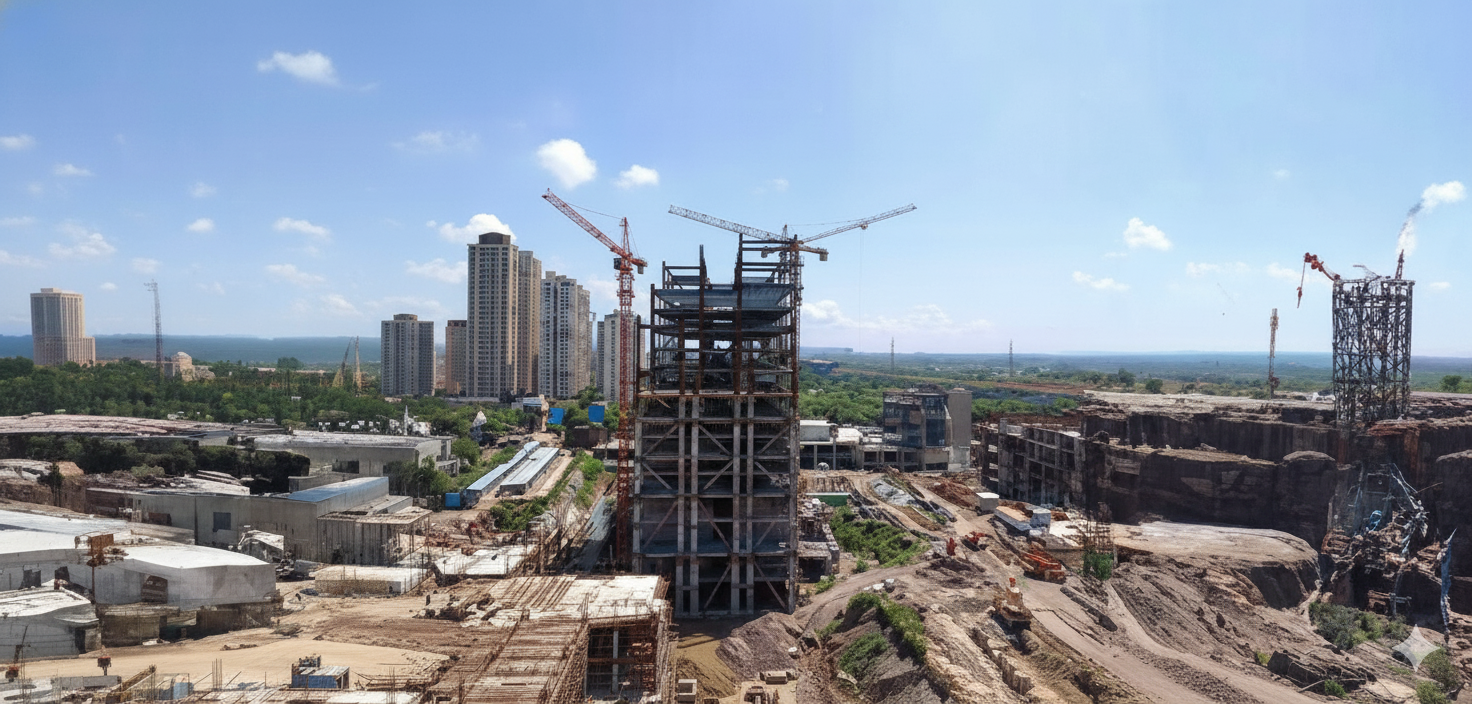
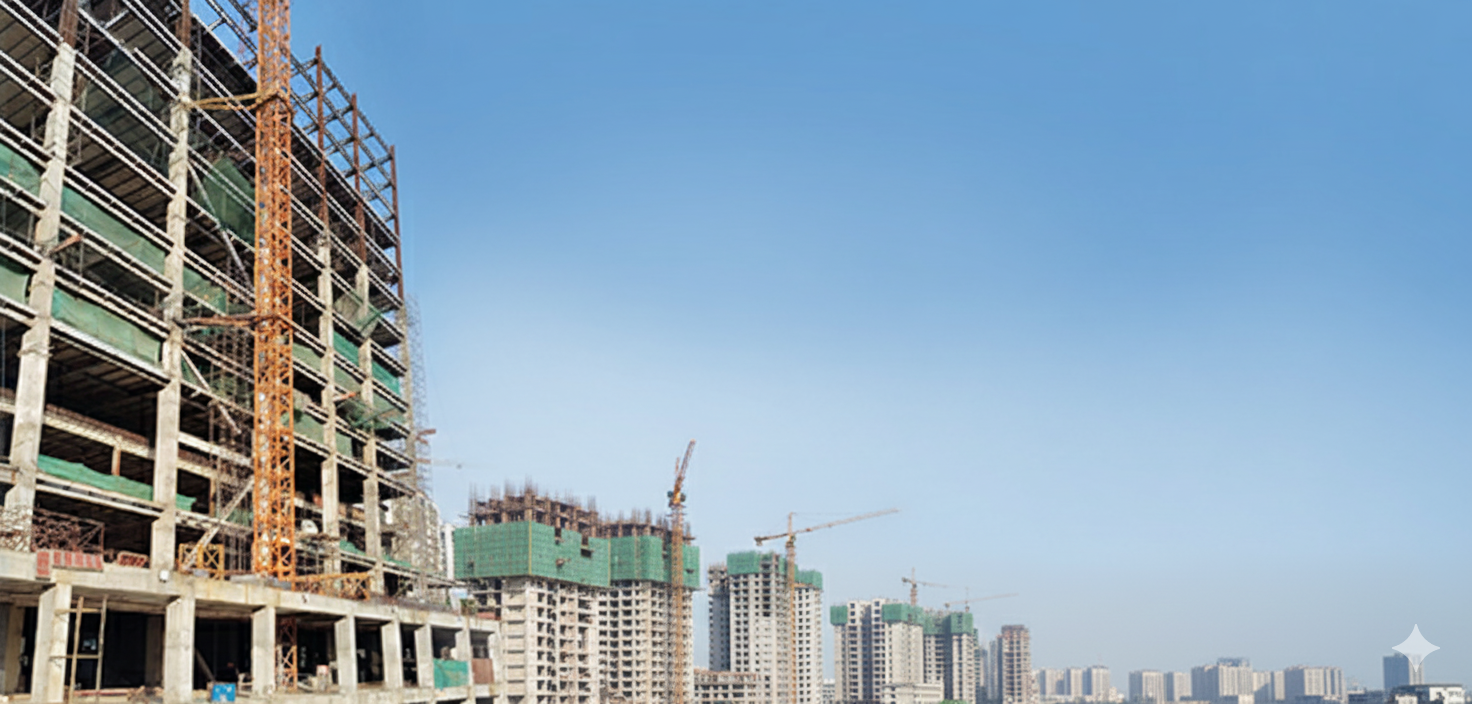
Steel composite structures have become a preferred choice for high-rise commercial projects and buildings that must be delivered fast, like hospitals and data centers. The appeal is simple: steel provides high tensile strength, concrete handles compression efficiently, and together they create a lightweight, structurally efficient system. In dense urban areas where construction time and site space are limited, this system often outperforms conventional RCC.
Steel Composite Buildings
Challenges in Conventional Steel Composite Structures
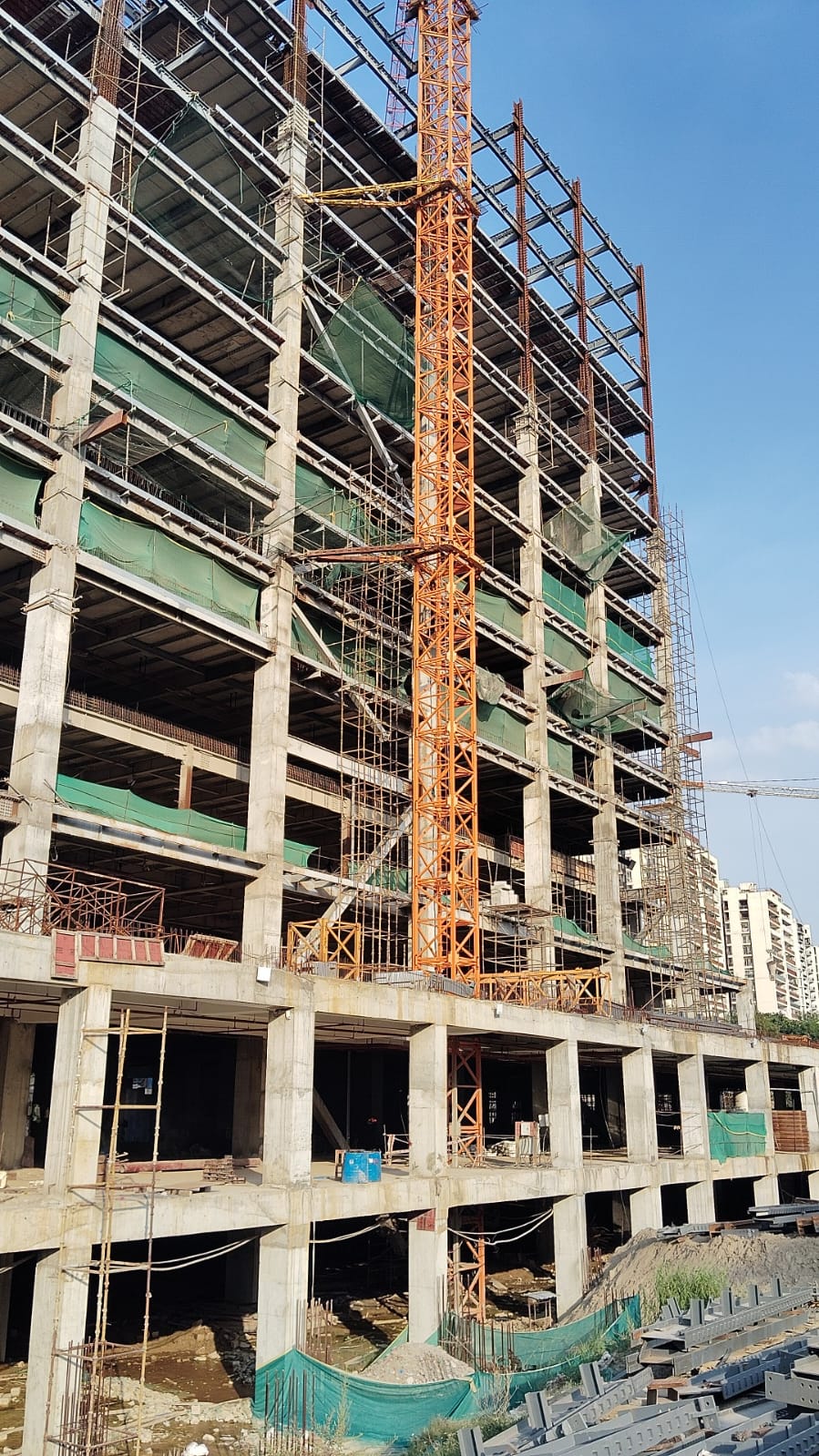
The problem starts when these buildings rely on heavy RCC or concrete-filled steel shear walls to handle lateral loads from earthquakes and wind. These walls slow down construction, add significant weight to the structure, and push up the overall cost. Steel columns are also typically jacketed with reinforcement and concrete to handle axial loads, which adds even more bulk and complicates site work.
Performance during major earthquakes is an even bigger issue. Concrete is brittle and performs poorly in tension, so shear walls in composite structures tend to suffer severe cracking and damage during strong shaking—damage that is often far beyond repair. Steel bracing systems don’t fare much better. Once the braces reach their buckling limit, the failure is sudden and brittle. The entire lateral force resisting system hinges on components that degrade permanently or fail abruptly under extreme cyclic loads, leaving the building vulnerable when it matters most.
Imperial 2G Approach
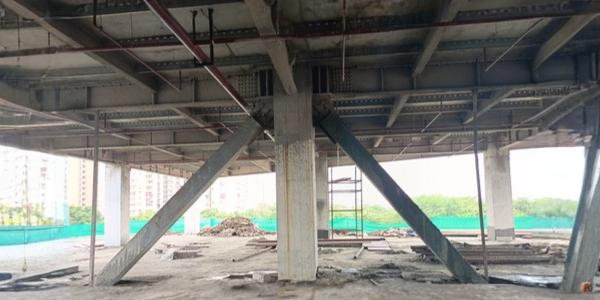
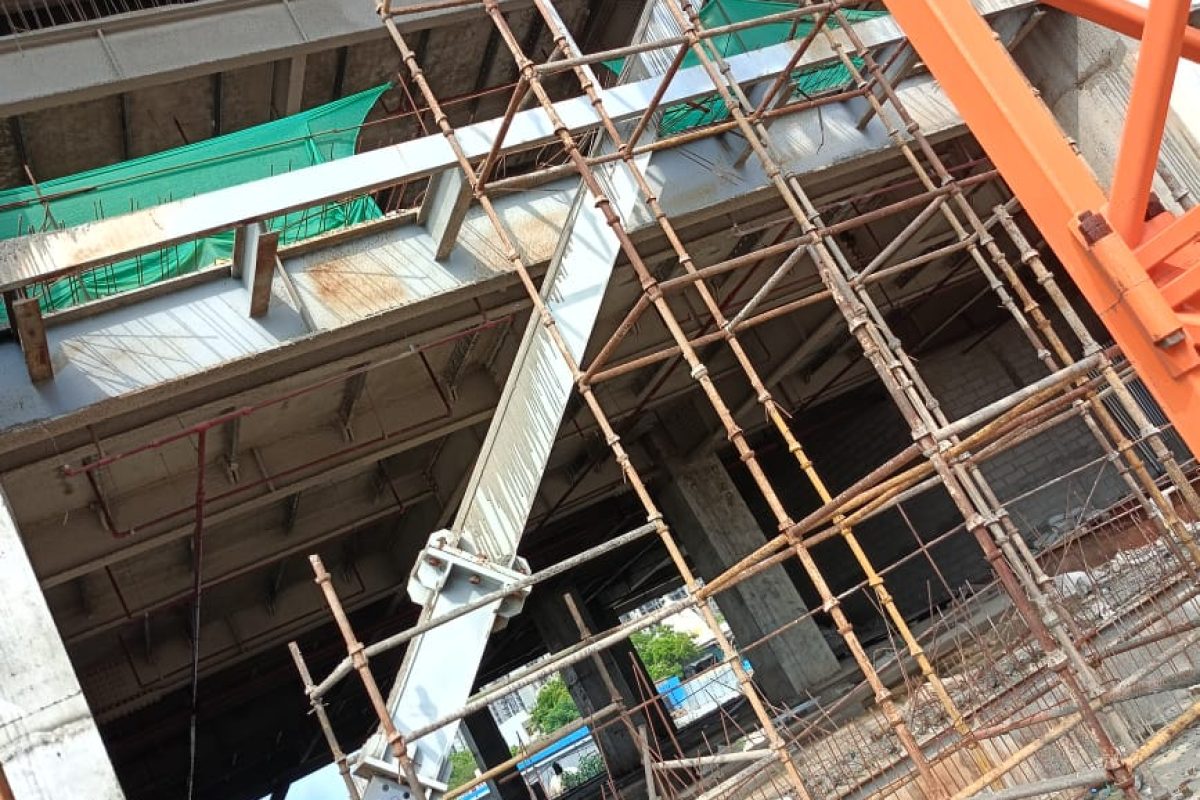
Imperial’s 2G method replaces the brittle, damage-dependent components of composite structures with passive energy dissipation devices. Instead of relying on RCC shear walls, steel infill walls, or standard steel bracing, the system upgrades the bracings with Seismic Friction Brakes. These devices turn the bracing system into yield-restrained, energy-dissipating elements that stay stable under repeated cycles of loading without buckling or degrading.
The best part is integration. SFBs can be welded or bolted directly to beams and columns, making them easy to incorporate in both new composite structures and retrofit applications. The system remains fully compatible with Indian and international codes, while shifting the building’s
seismic behavior from brittle failure to controlled, predictable dissipation. Instead of absorbing energy through cracking or buckling, the building rides the earthquake through friction-based damping.
IMPERIAL Benefits
Faster construction and reduced structure weight
Reusable, maintenance-free damping system
30–50 year international warranty
Same or lower project cost compared to conventional design
Enhanced performance and long-term safety
Project Gallery